03 . Related cuts
If you like Durban Poison.
Cuts in the catalog that share lineage or terpene profile.
Cat. №07 . Clones / Durban Poison / DP-01
pure landrace,
pure stretch.
Durban Poison clones from a documented pure South African landrace, Durban province mother plant. Durban Poison is one of the few true landrace sativas still in active circulation. Pure South African genetics, anise and licorice on the nose, a clear and energetic head effect. PCR HLVd-tested quarterly and re-tested before any cut leaves the room.
Cut from a Durban Poison mother sourced through the Mel Frank lineage. Distinct from seed-grown Durban plants which can vary widely.
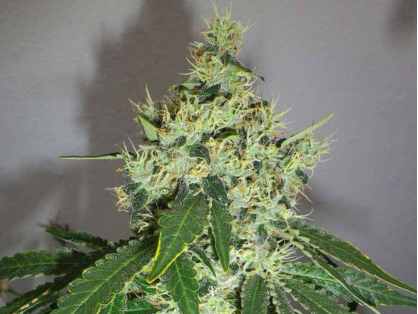
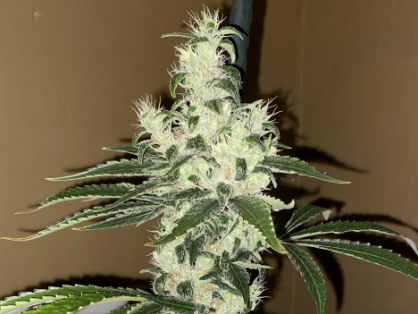
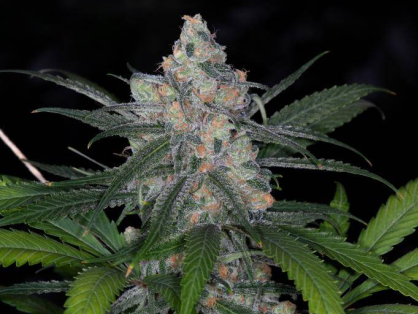
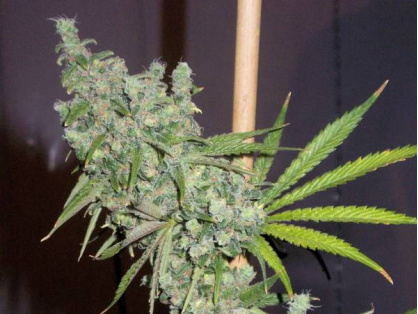
Tall, lanky landrace structure. Long internodes, narrow leaves, large foxtail-style flowers. Anise, licorice and pine terps.
A rooted clone of the mother in a 2 inch peat plug, packed in a humidity dome and shipped overnight. Each box includes a cut card with the lineage notes, a flower schedule, and a feed chart for the first two weeks after transplant.
3 to 4 weeks. Train heavily. Plan for 2x stretch in flower; some indoor setups flip at week 1 of veg.
8 to 9 weeks. Long stretch period through week 3. Heat-tolerant in late flower.
Light EC. Landrace heritage means low nutrient demand. Burns fast on heavy feeds.
Pistils 85% curled. Trichomes milky with minimal amber. Slow dry protects the licorice nose.
It is a clone from a verified Durban Poison mother held in our clean room. A pure landrace sativa from Durban, South Africa, brought to US growers by Mel Frank in the late 1970s Lineage notes ship with every cut.
Indoor, 1.6 to 2.2 ounces per plant in a 5 gallon container, scaling with light intensity and room conditions. SOG setups in 1 gallon containers produce closer to 1 ounce per plant. Outdoor on a single trellised plant, 4 to 10 ounces is realistic depending on climate and finish week.
Pack days are Monday, Tuesday and Wednesday. Order by 11pm the day before a pack day and the cut goes on the next dispatch. Transit is 1 to 3 days depending on your state. Each cut ships overnight or 2-day priority in an insulated cooler.
Yes. PCR HLVd test on the mother plant quarterly, and a second PCR pass on the batch before any cut ships. We also run a fungal panel to rule out powdery mildew and pythium. Test results are available on request.
Durban Poison prefers indoor or a long-season outdoor environment. Tall stretch and long flower window mean late-October finish dates. Coastal humidity can risk bud rot on long-finishing sativas.